
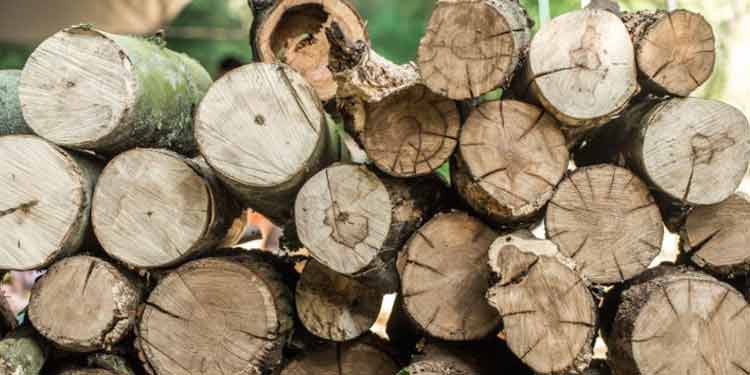
African youths have stepped forward to advocate sustainable forest and wood conservation. Youth leaders from across the continent emphasized that Africa’s forests and wood resources are central to climate resilience, green growth, and long-term development. They called for global climate action that recognizes Africa not only as vulnerable to climate change but as a leader in nature-based and wood-driven solutions.
In a joint Climate Justice and Resilience in Africa declaration, the youths highlighted the strategic value of Africa’s vast forest landscapes, which support livelihoods, regulate climate systems, and provide sustainable wood for energy, construction, and industry. They noted that Africa is home to the world’s youngest population, presenting a unique opportunity to build a skilled green workforce focused on sustainable forestry, agroforestry, and value-added wood enterprises. These initiatives, they said, can generate employment while strengthening climate adaptation across rural and urban communities.
The youth leaders underscored that sustainable wood use and forest restoration offer long-term economic and environmental advantages. Well-managed forests enhance carbon absorption, protect watersheds, support biodiversity, and ensure a reliable supply of timber and non-timber forest products. Youth-led initiatives already underway, including tree growing and forest regeneration projects in Kenya and Malawi, demonstrate how communities can benefit economically while safeguarding natural resources. These efforts align with global climate goals while reinforcing local ownership and stewardship of forest assets.
A key demand from the youth groups is meaningful inclusion in national and global climate decision-making processes. They called for youth representation in Nationally Determined Contributions (NDCs), National Adaptation Plans (NAPs), and climate finance mechanisms, particularly those supporting forest conservation and wood-based livelihoods. The declaration also urged developed nations to honour the long-standing $100 billion annual climate finance commitment, stressing that accessible funding would enable youth and community groups to scale sustainable forestry and green enterprise projects.
The declaration further emphasized the importance of protecting Africa’s forests, wetlands, and savannas as global public goods. According to the youths, forests play a critical role in peacebuilding, food security, and economic stability, particularly in regions where climate resilience depends heavily on natural resources. Sustainable wood value chains – ranging from construction materials to renewable bioenergy were highlighted as practical pathways for achieving a just transition while supporting local economies.
African youths reaffirmed that by prioritizing forest conservation, sustainable wood use, and youth-led innovation, they argued that Africa could drive climate action that is inclusive, economically empowering, and environmentally sound. Their message ahead of COP30 is clear investing in forests and wood-based solutions is not only climate smart but also essential for Africa’s sustainable future.