
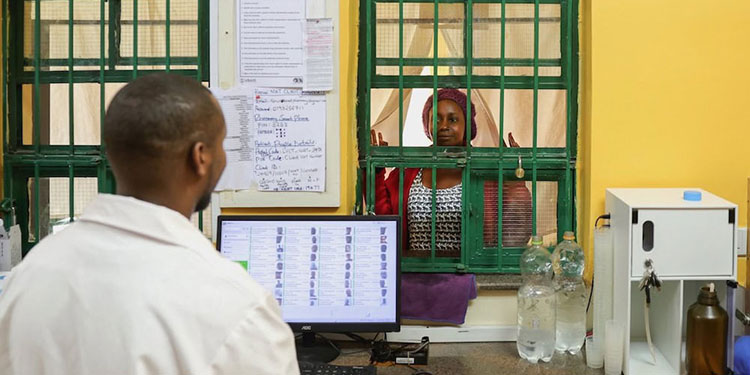

Kenya’s efforts to modernise its healthcare system through digital transformation and improved financing were highlighted at the fifth Smart Summit in Nairobi. The event brought together government representatives and health technology experts to examine how innovation can enhance patient care and strengthen service delivery nationwide.
The summit was organised by Smart Applications International, a Nairobi-based firm with more than two decades of experience advancing digital health solutions across Africa. Its platforms integrate hospitals, insurance providers, and government systems, enabling more efficient services, better patient outcomes, and wider access to care.
During the event, Dr. Ouma Oluga stressed that healthcare reforms must balance technological advancement with investment in the workforce. He noted that achieving universal health coverage ultimately depends on the capacity and effectiveness of healthcare workers.
“The workforce is the system,” he explained, adding that while infrastructure, technology, medicine, and financing are essential, the interaction between patients and healthcare providers ultimately determines the quality of care and outcomes.
He further explained that the government is implementing key reforms, including expanding digital health infrastructure to improve coordination, efficiency, and accountability across the sector.
At the same time, Dr. Oluga acknowledged ongoing challenges, particularly the digital gap affecting rural areas where some health facilities still lack consistent electricity, internet access, and digital tools. He added that healthcare workers accustomed to paper-based systems must be supported to transition smoothly to new technologies.
“We still have many health facilities where we are working to ensure there is electricity, internet connectivity and digital systems,” he said. “At the same time, we must support health workers who have practised on paper for years so that they can transition smoothly into the digital systems we are introducing.”
Harrison Muiru, Managing Director of the company, said the summit serves as an important forum for stakeholders to exchange ideas and identify technology-driven solutions to persistent challenges in healthcare.
“At Smart we have spent more than two decades building technology that improves how healthcare is managed and accessed,” Muiru said. “Today our platforms connect thousands of healthcare facilities and help providers manage patient information, claims and service delivery more efficiently.”
Muiru emphasised that meaningful improvements in healthcare will require strong collaboration among governments, providers, insurers, and technology partners to ensure that digital innovations translate into real benefits for patients.
Similarly, Smart Group Chairman Andrew Musangi, Chairman of the group, highlighted the need to move away from outdated manual processes. He pointed out that digitisation can significantly reduce inefficiencies and delays in healthcare services.
“You cannot have pieces of paper moving from hospitals across the country to Nairobi to be processed manually,” Musangi said. “The solution is to create a digital highway where healthcare information moves quickly and securely.”
He explained that digital health platforms are making operations more efficient across hospitals, insurers, and healthcare providers, while also enhancing transparency and the overall patient experience.
Isaiah Masiori, CEO of the company, added that digital innovation is playing an increasingly central role in strengthening healthcare delivery. He said integrating technology into health systems helps improve efficiency, support providers, and ensure patients receive faster and higher-quality care.
“Digital health is no longer a future concept; it is already shaping how healthcare is delivered today,” Masiori said. “By integrating technology into health systems, we are able to improve efficiency, support healthcare providers and ultimately ensure that patients receive faster and better care.”
He also stressed the importance of partnerships between public and private stakeholders to ensure that digital health solutions lead to tangible improvements in hospitals and healthcare facilities.
The summit gathered policymakers, healthcare professionals, insurers, and technology innovators from across the region to discuss emerging digital health trends and build partnerships aimed at accelerating healthcare transformation in Kenya and beyond.
Participants also underscored the need to strengthen specialised services, including ongoing government initiatives to expand cancer treatment capacity, improve maintenance of medical equipment, and promote prevention through screening programmes and public awareness campaigns.