
Rising global oil prices are pushing Kenyan consumers and corporate fleets to consider Chinese electric vehicles (EVs) as a more affordable and sustainable transport option, according to an industry executive.
Nicolas Ruffier des Aimes, general manager of BYD by CFAO Mobility Kenya, said fluctuating fuel prices have made electric mobility increasingly appealing for both businesses and households.
“Customers purchasing our EVs are often replacing the diesel vehicles they previously relied on,” des Aimes explained, as the company handed over its first batch of five plug-in hybrid vehicles to Avenue Lease and Rentals East Africa.
He added that Kenya’s transition toward green transport began with electric two-wheelers and is now extending into the four-wheeler segment.
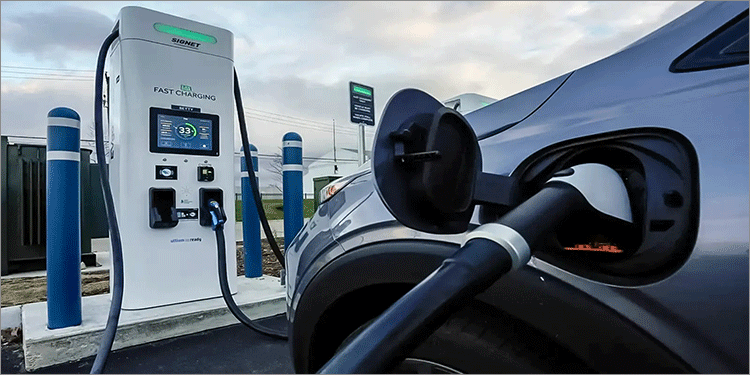
Des Aimes also highlighted that Kenya’s electricity supply—largely generated from renewable sources such as geothermal and hydropower—offers a strong advantage for EV adoption by keeping charging costs low while cutting emissions.
“We’re already witnessing robust demand in Kenya, as the market continues to mature,” he noted.
He further pointed out that EVs and hybrid vehicles generally have much lower maintenance costs than traditional diesel cars, making them more economical in the long run.
According to des Aimes, Chinese automakers are gaining a competitive edge globally due to their early investments in battery technology and electric mobility.
“China began preparing for this shift over a decade ago. BYD’s roots in battery innovation are a key reason it now produces some of the world’s leading electric vehicles,” he said.
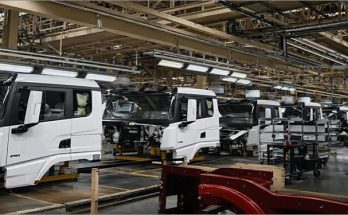
Looking ahead, des Aimes revealed that CFAO Mobility Kenya is exploring the possibility of assembling BYD vehicles locally at its Kenyan facility in the coming years, a step expected to reduce costs further and enhance regional supply chains.