Kenya is set to strengthen its healthcare infrastructure through the construction of 10 new Level 4 Mother and Child hospitals across the country under a Sh4.5 billion development programme aimed at improving maternal and newborn healthcare services.
The modern medical facilities will be built over three fiscal years: 2026/2027, 2027/2028, and 2028/2029, and are expected to expand access to quality healthcare for more than one million underserved women and children.
The hospitals will be developed under a Build, Equip, and Transfer (BoT) model, with each facility fully constructed and equipped with modern medical technology before being handed over to the Government of Kenya for operation.
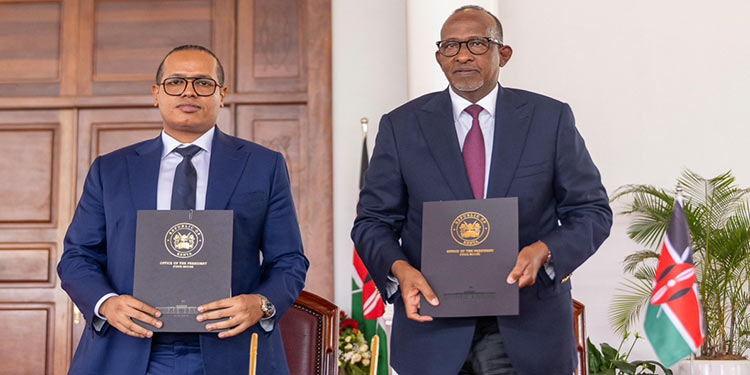
President William Ruto welcomed the initiative during the signing of a Letter of Intent at State House, Nairobi, noting that the project will complement the government’s ongoing Health Systems Strengthening programme and help accelerate expansion of medical infrastructure nationwide.
He said the additional hospitals would enhance access to maternal healthcare, reduce maternal and infant mortality rates, and improve emergency care services in high-need regions.
According to the project framework, each hospital will receive an investment of over US$3.5 million and will be designed to provide comprehensive maternity, pediatric, neonatal, and specialized women’s healthcare services.
The new facilities are planned for counties with high maternal health demands, including Nairobi, which will receive two hospitals, as well as Kwale, Mombasa, Garissa, Kisumu, Embu, Nakuru, Uasin Gishu, and West Pokot.
Once completed, the hospitals are expected to ease pressure on existing public health facilities, shorten travel distances for patients seeking specialized care, and create employment opportunities during both construction and operational phases.
The programme forms part of Kenya’s wider infrastructure development agenda focused on upgrading healthcare systems, modernizing public facilities, and improving service delivery across counties.
Construction of the first phase is expected to begin during the 2026/2027 financial year, marking a significant step in expanding healthcare infrastructure and supporting long-term national development goals.