
The government has continued to invest in primary healthcare, essential medical products, and digital health infrastructure to improve service delivery and increase access to quality healthcare.
Speaking during a visit to the Kenya BioVax Institute in Embakasi by French Minister for International Development, Ms Éléonore Caroit, Dr. Ouma Oluga emphasized that Kenya’s experience during the COVID-19 pandemic revealed the dangers of depending heavily on imported vaccines. He noted that delays in obtaining vaccines during the global health crisis highlighted the importance of developing domestic manufacturing capabilities.
Dr. Oluga reaffirmed Kenya’s commitment to expanding local production of vaccines and biotherapeutics as a way to strengthen health security, lessen dependence on foreign supplies, and improve access to critical health products across the region.
Reflecting on his role as chair of Nairobi’s COVID-19 task force, he recalled the challenges faced by health authorities as infection rates climbed while vaccine deliveries remained slow. He described the BioVax project as a key investment in strengthening the country’s preparedness for future pandemics and enhancing public health resilience.
According to Dr. Oluga, ensuring consistent access to vaccines and other essential health commodities is crucial for protecting communities from emerging health threats. He said the Kenya BioVax Institute represents a strategic national initiative aimed at supporting pandemic readiness, securing routine immunization programs, and improving regional supply stability.
He noted that the institute has already achieved substantial milestones, including the development of infrastructure, establishment of operational systems, and technical preparations necessary for safe and high-quality vaccine production.
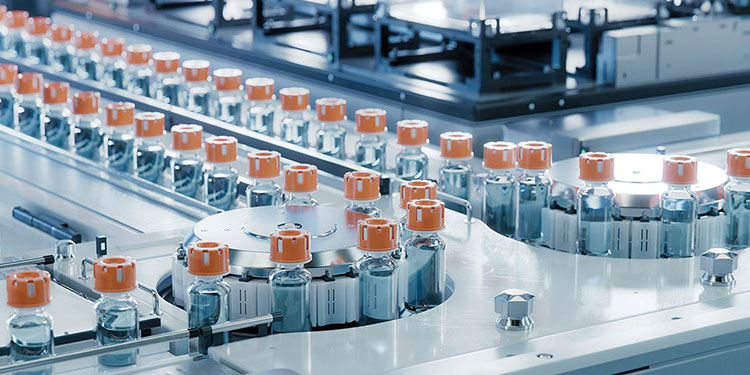
The next stage, he explained, will involve installing and validating fill-and-finish equipment, enhancing quality assurance and control mechanisms, developing a specialized workforce, and preparing the facility to meet regulatory requirements for vaccine manufacturing.
Dr. Oluga added that the government’s immediate focus is to help BioVax move from operational readiness to active production and, ultimately, to complete end-to-end vaccine manufacturing. This transition will require partnerships in technology transfer, financing, workforce training, regulatory capacity building, and market development.
He also highlighted government efforts to strengthen the health sector through investments in skilled and compassionate healthcare workers, as well as digital technologies that support data management, planning, and evidence-based policymaking.
The Principal Secretary further called for stronger support from development partners, including the French government and the World Bank, noting that increased collaboration and investment would help advance Kenya’s goal of becoming a regional center for vaccine and pharmaceutical production.
The tour was attended by several dignitaries, including Akihiko Nishio, Anne-Claire Amprou, Charles Githua Githinji, Wesley Ronoh, members of the French delegation, development partners, senior ministry officials, and BioVax staff.