
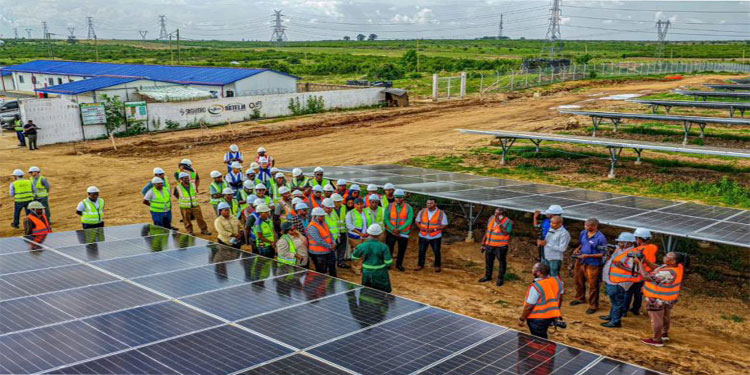
At the Solar & Storage Leadership Forum 2026: Tanzania, which is set for August 18, 2026, opening at 8:30 EAT in Dar es Salaam, Tanzania’s aspirations for clean energy will be highlighted. The in-person event, which is considered as one of the most important industry conferences in Tanzania, will bring together the experts, technology, investment perspectives, and strategic alliances required to propel Tanzania’s solar and energy storage future.
The forum takes place at a critical juncture for the nation’s energy industry. A strong argument is being made for the deployment of solar plus storage due to rising electricity demand, growing commercial and industrial activities, expanding energy-access requirements, and the need for more reliable power infrastructure. Decentralised renewable energy solutions have the potential to revolutionise Tanzanian communities and businesses by powering everything from utility-scale projects and commercial installations to mini-grids, rooftop solar, and off-grid systems.
For this shift, energy storage will be equally crucial. Storage solutions can increase the value of solar assets and promote a more responsive and stable electrical system by assisting in the management of fluctuating renewable generation, enhancing power stability, and bolstering grid flexibility.
In light of this, the Solar & Storage Leadership Forum 2026: Tanzania will provide a targeted forum for high-level discussions regarding the nation’s clean energy priorities between government officials, utilities, investors, project developers, financiers, EPC companies, technology providers, and industry experts.
The forum is intended to link technology with practical energy needs, capital with opportunities, and policy with projects. It is more than just a conference. In order to advance Tanzania’s solar and storage industry, participants will look at the market conditions, funding options, legislative changes, infrastructural needs, and cooperative models.