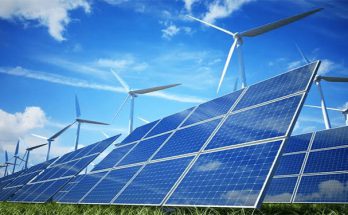

Africa’s energy production and consumption patterns are drastically changing, with clean electricity emerging as a more powerful growth engine than fossil fuels. According to recent market data, private sector investment in clean energy on the continent has more than doubled in only five years, from over $17 billion in 2019 to almost $40 billion in 2024. Economics is a major factor in this quick expansion since solar energy plus battery storage is now the most affordable and widely available energy source in many nations.
For Africa’s solar industry, 2025 was a significant turning point. In comparison to the previous year, the continent installed over 4.5 gigawatts of additional solar capacity, a 54% increase. Well-known solar markets like Egypt (500 MW), Nigeria (803 MW), and South Africa (1.6 GW) remained at the forefront. However, solar growth is no longer restricted to a small number of nations. Ten African countries surpassed the 100 MW yearly installation threshold in 2025, which is twice as many as the previous year. This is indicative of a more widespread and equitable spread of solar energy over the continent.
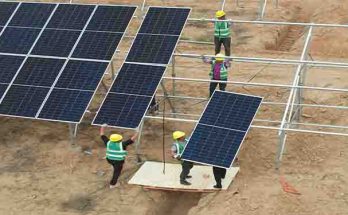
The energy revolution in Africa is exhibiting two trends. Powering national grids, large utility-scale solar projects continue to account for more than half of installed capacity. Distributed solar systems, however, are expanding at an equally rapid rate. These include on-site power systems for industries and rooftop solar for residences, businesses, and factories. Businesses and consumers are increasingly investing in their own power solutions due to rising electricity rates and frequent system interruptions. Trade statistics, which demonstrate that Africa imported a record 15 GW of solar panels by mid-2025—much more than what utility projects alone would need—support this change.
In terms of the future, it is still bright. Over 31.5 GW of new solar capacity is anticipated to be installed in Africa by 2029. Strong political leadership and significant reforms, according to analysts, will be necessary to meet the continent’s long-term target of 300 GW of solar power by 2030. Important steps include establishing clear national strategies for energy storage to promote grid stability, streamlining licensing procedures, and reducing finance risks through pooled funding arrangements. As Africa gets ready for COP32 in Ethiopia, solar and storage are becoming more and more important for job development, economic expansion, and a cleaner, more dependable energy future.