
Rideence Africa Limited, the electric mobility firm known for Kenya’s rapidly expanding lease-to-drive EV model, has entered into a KSh 320 million agreement with Associated Vehicle Assemblers (AVA) to begin assembling electric vehicles locally in Mombasa. The move positions Kenya as a rising manufacturing hub for electric mobility in East Africa.
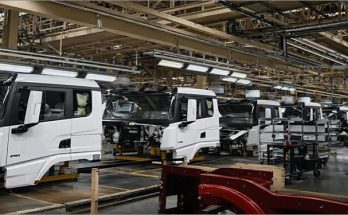
Under the deal, 152 electric vehicles will be assembled from Completely Knocked Down (CKD) kits by the end of February 2026. The first production batch will include 132 Henrey electric taxis and 20 Joylong high-roof electric matatus, primarily serving the public transport and ride-hailing sectors, where fuel and operating costs are particularly high.
This development marks a significant transition for Rideence, which over the past three years has relied on importing fully built electric vehicles from China while expanding a leasing model tailored to professional drivers.
Since launching in Kenya, the company has deployed more than 180 fully built EVs — including 54 electric matatus and 128 taxis — building what it describes as the largest electric ride-hailing fleet in East Africa.
Rideence’s driver-focused leasing model enables taxi operators to lease its flagship Henrey electric vehicles at KSh 2,400 per day, reducing barriers to vehicle access. The company estimates that a full charge for an EV covering roughly 200 kilometres costs about KSh 400, compared with more than KSh 2,000 in petrol for the same distance. This substantial cost difference has played a major role in encouraging adoption, especially amid rising fuel and operational expenses across the region.
According to Managing Director Minnan Yu, who noted that the company has invested more than KSh 1.4 billion in Kenya since 2023, Rideence is now shifting from being solely an operator to becoming a local manufacturer. He emphasized that the partnership represents a move from importing ready-made solutions to developing them within Kenya, with a long-term ambition to serve broader African markets.
The assembly operations will take place at AVA’s Mombasa facility. AVA currently accounts for 43 percent of Kenya’s locally assembled vehicles and collaborates with several international automotive brands.
Rideence aims to increase local content in its vehicles to more than 25 percent by 2026. In the short term, localization is expected to range between 15 and 25 percent, with a longer-term target of 40 to 60 percent. This strategy is intended to strengthen domestic supply chains, reduce reliance on imports, and limit foreign exchange exposure.
AVA’s Managing Director, Matt Lloyd, described the initiative as Kenya’s first dedicated EV assembly line, demonstrating the country’s ability to produce electric vehicles at scale. He added that local assembly will help accelerate the shift toward affordable, low-emission transport while generating employment, facilitating technology transfer, and reinforcing Kenya’s industrial growth.
To complement the expanding EV fleet, Rideence is also growing its charging infrastructure. The company currently operates 16 charging stations nationwide and plans to increase that number to 100 by the end of 2026. The expanded network is expected to support not only Rideence vehicles but also other private operators and fleet owners as electric mobility adoption continues to gain momentum.