Kenya is placing greater emphasis on forest conservation, landscape restoration and sustainable forest management as part of its efforts to protect natural ecosystems and support the long-term development of the wood and timber sector. Recent global findings highlight the importance of protecting existing forests while promoting responsible timber production and restoring degraded landscapes.
According to updated analysis by the World Resources Institute (WRI), commercial logging has accounted for a declining proportion of intact forest landscape loss globally. Selective logging decreased from 25.4% during 2000–2013 to 14.2% during 2020–2025, while clear-cut logging declined from 11.6% to 6.1%. These changes highlight the growing importance of responsible forest management and sustainable practices across the timber industry.
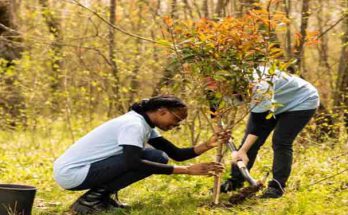
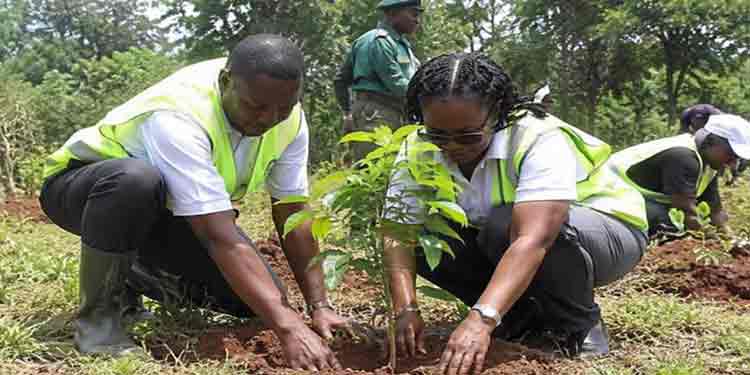
Kenya is advancing its forest restoration agenda through initiatives such as the 15 Billion Tree Growing Programme and the National Landscape and Ecosystem Restoration Strategy. These programmes aim to improve forest cover, restore degraded landscapes and support the long-term availability of forest resources, creating opportunities for sustainable forestry and wood-based industries.
The country’s forest conservation efforts also present opportunities for the timber and wood-processing industries to adopt environmentally responsible practices, improve resource utilisation and promote value addition. Sustainable timber harvesting, efficient wood processing and responsible sourcing can contribute to the development of a more resilient wood industry while supporting forest protection.
The WRI analysis also highlights the increasing impact of wildfires, which accounted for 39.9% of intact forest landscape reduction during 2020–2025. This has increased the importance of forest management, fire prevention and ecosystem restoration in protecting valuable timber resources, biodiversity and the livelihoods of communities that depend on forests.
Through continued investment in forest restoration, sustainable land management and responsible forestry practices, Kenya has opportunities to develop its wood and timber value chains while protecting its natural resources. These efforts can support long-term industrial development, encourage sustainable wood production and contribute to a more resilient forestry sector.