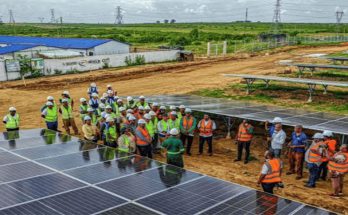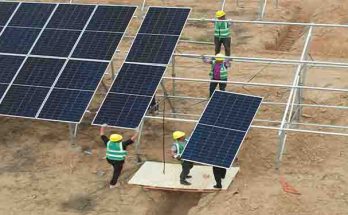
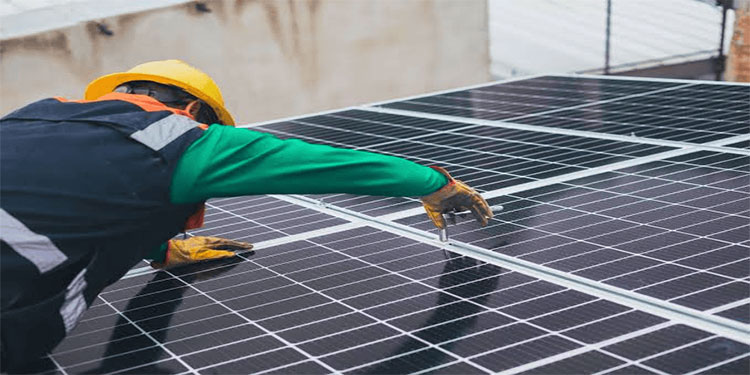
 Tanzania Is Becoming a Key Player in Africa’s Expanding Solar Energy Industry, With Dispersed Solar Arrays Contributing Significantly to the Continent’s Renewable Energy Expansion of Energy. A Recent Study From the African Tech Futures Lab and Ember Emphasises the Growing Impact of Commercial Systems, Rooftop Installations, and Other Customer-Side Solar Solutions Throughout Africa. Tanzania Is One Among the Nations That Consistently Releases Monthly or Quarterly Solar Capacity Information, Including Insightful Information on How Its Solar Industry. In Addition to the National Grid Run by Tanesco, the Increasing Usage of Private Solar Systems by Homes and Businesses Is Increasing Access to Clean Electricity.
Additionally, Tanzania Is Solidifying Its Place in the African Solar Manufacturing Market. African Solar Panel Production Capacity Is Expected to Grow From About 800 Mw in 2025 to Over 3.5 Gw in 2026, According to Ember. With Tanzania and Egypt Becoming Important Providers. Tanzania Might Manufacture About 500 Mw of Solar Panels in 2026, According to the Paper, Though This Number Is Still Up for Debate as Production Data Continues to Emerge. The Country’s Expanding Position in Regional Solar Manufacturing Is Highlighted by the Solar Panel Factory at Kwala in Kibaha, Which Is Reportedly Operational and Has a First Phase Valued at About $300 Million.
Tanzania Now Has a Great Chance to Further Its Goals for Renewable Energy, Draw in Investment, Bolster Its Own Industrial Skills, and Enhance Energy Security. Tanzania Is Well-Positioned to Offer More Affordable Electricity Options, Promote Private Sector Involvement, and Bolster Long-Term Energy Planning With the Ongoing Expansion of Rooftop and Commercial Solar Installations and Local Panel Manufacture. An Key Step Toward a More Varied, Robust, and Sustainable Energy Future Is the Nation’s Growing Solar Ecosystem.