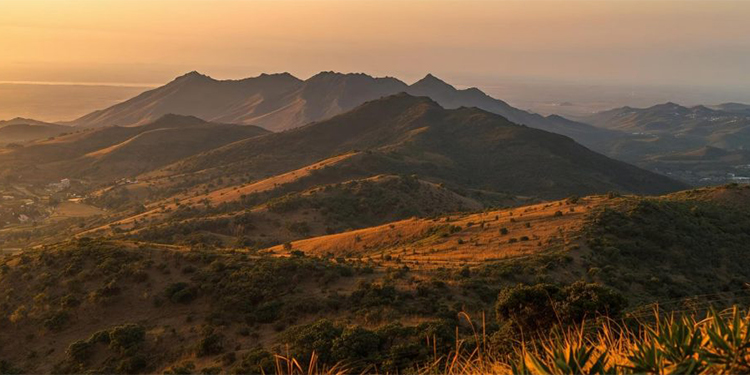

Mrima Hill in Kenya’s coastal region has become a focal point of worldwide interest and escalating local turmoil. Under its lush forest, vast amounts of rare earth minerals exist, which are critical for the production of cellphones, electric vehicles, and renewable energy systems. Major global powers like as the United States, China, and Australia have been drawn to the lucrative resources, all wanting to secure access to minerals required for the world’s shift to sophisticated technology and low-carbon industries. While the international race for these resources heats up, the surrounding communities face uncertainty about their land, environment, and future. Mrima Hill has become a symbol of both opportunity and potential exploitation in Kenya’s quest for sustainable development, emphasising the critical need for fair resource management and transparent benefit-sharing with local populations.
Mrima Hill, located near the Indian Ocean in Kwale County, contains around 390 acres. It may appear to be an ordinary forest, but beneath the soil is a treasure trove of rare earth minerals and niobium. According to a 2013 assessment by Cortec Mining Kenya, a subsidiary of Pacific Wildcat Resources, the resources were worth roughly $62.4 billion. Niobium, a significant mineral found on Mrima Hill, is utilised to manufacture stronger steel and innovative technologies that aid in green energy transitions.
The hill’s huge economic potential has piqued foreign interest. Marc Dillard, the interim US ambassador to Kenya, paid a visit to the site in June, reflecting Washington’s rising interest in African mineral assets. At the same time, stories surfaced of Chinese nationals attempting to enter the forest, but local guards barred their admittance. Recently, Australian businesses RareX and Iluka Resources revealed plans to explore rare earth mining in the region, adding to the worldwide competition.