
Chinese electric vehicle (EV) makers are accelerating their push into Africa as trade restrictions in Western markets prompt them to look for new growth opportunities on the continent.
Demand for electric and hybrid vehicles in Africa has been rising steadily, supported by rapid urbanisation, higher fuel prices, and government policies promoting cleaner transport. Major cities including Nairobi, Lagos, Johannesburg, and Cairo are witnessing early uptake of EVs in private use, commercial fleets, and ride-hailing services, even as challenges such as limited charging infrastructure persist. Growth has been further supported by an influx of competitively priced models from Chinese manufacturers, many of which incorporate plug-in hybrid technology tailored to local conditions.
Although Africa’s EV market remains relatively small in global terms, analysts say it is among the fastest-growing in emerging regions, making the continent an increasingly important destination for automakers seeking to diversify beyond traditional markets.
Hong Kong–based Tiazhou Okla Automotive Co., also known as Okla Global, has entered the market through a strategic partnership with Treadway Investment Bank aimed at accelerating its expansion across Africa. Under the agreement, Treadway will provide corporate finance advisory services, support engagement with governments and private-sector partners, and help Okla navigate regulatory requirements in key markets.
Okla plans to establish manufacturing and assembly facilities in Zimbabwe, South Africa, Nigeria, Kenya, and Egypt. Zimbabwe and South Africa will serve the Southern African Development Community, Nigeria will anchor operations in the Economic Community of West African States, Kenya will cover East Africa, and Egypt will act as a hub for North Africa.
The company said the partnership represents a major milestone in its ambition to become a leading player in Africa’s EV sector. Treadway’s involvement, it added, will be critical in securing funding, managing regulatory processes, and leveraging government relationships to speed up Okla’s market rollout. The initiative is also expected to support local economies through job creation and the development of industrial ecosystems driven by local assembly and production.
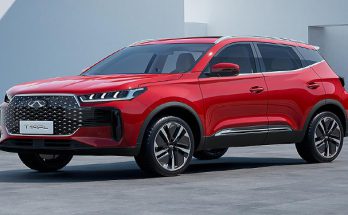
Okla’s move comes as Chinese automakers have rapidly expanded their African footprint over the past five years. Brands such as BYD, Chery, Geely, Foton, Great Wall Motor, Haval, and Sinotruk have increasingly targeted the continent, focusing on affordable vehicles while building local operations.
Meanwhile, African companies are beginning to develop their own EV value chains. Nairobi-based MojaEV Kenya, for example, plans to start local EV assembly later this year in partnership with domestic assemblers, with the goal of producing low-cost vehicles for Kenya and neighbouring markets. Industry observers see this transition from imports to local assembly as essential to reducing prices and supporting growing demand for sustainable transport.
Analysts say Africa’s need for cost-effective and environmentally friendly mobility solutions makes it an attractive growth market for global automakers. Okla’s collaboration with Treadway positions it to compete with established players while contributing to the continent’s shift toward cleaner transportation, reflecting a wider industry trend of aligning regional production hubs with emerging-market demand.