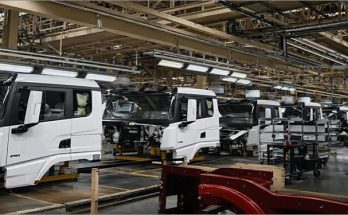

Kenya’s National Treasury has announced plans to replace its intended purchase of 2,500 petrol- and diesel-powered vehicles with 3,000 locally assembled electric vehicles (EVs). The decision comes amid growing concerns over global oil supply disruptions and the country’s substantial fuel import expenses. Treasury Cabinet Secretary John Mbadi stated that the initiative aims to reduce dependence on fluctuating fuel prices while supporting the development of Kenya’s local EV manufacturing industry.
The move positions government procurement as a key driver of Kenya’s emerging electric mobility market, which has so far seen stronger growth in electric motorcycles and buses than in passenger cars. Authorities indicated that the vehicles will be assembled within Kenya, and additional incentives for the sector may be introduced in the upcoming finance legislation.
Government purchasing has historically played an important role in shaping transportation trends in Kenya. By increasing the number of vehicles to be acquired and prioritizing local assembly, the Treasury is creating a significant and reliable source of demand for electric vehicles in a market where private-sector adoption has remained relatively limited.
According to Mbadi, the policy is largely motivated by economic considerations. Kenya spends a considerable portion of its foreign exchange on fuel imports, with petroleum products accounting for around one-fifth of the country’s total import expenditure. Reducing reliance on imported fuel could help shield the economy from international price shocks and ease pressure on the country’s balance of payments.
Industry figures show that passenger EV adoption remains at an early stage. Between 2018 and 2024, approximately 14,750 electric vehicles were registered in Kenya, but only 326 were electric passenger cars. Most registrations were concentrated in electric motorcycles and three-wheelers, which represent nearly 90% of the country’s EV fleet and are widely used for commercial transportation.
Affordability continues to be one of the biggest barriers to wider EV adoption. Although local assemblers benefit from tax incentives and reduced duties on imported components, most electric cars available in Kenya are sold as new vehicles. As a result, they often struggle to compete with imported used petrol vehicles, which enjoy more favorable taxation under depreciation rules established by the Kenya Revenue Authority.
Hezbon Mose, president of the Electric Mobility Association of Kenya, emphasized that achieving larger sales volumes is essential for reducing costs and accelerating adoption. He noted that greater market scale would help lower vehicle prices and make EVs more accessible to consumers.
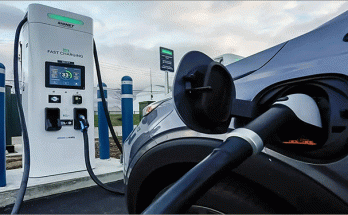
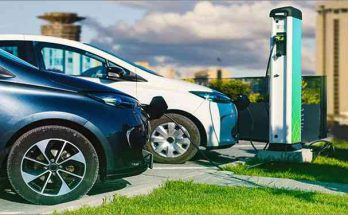
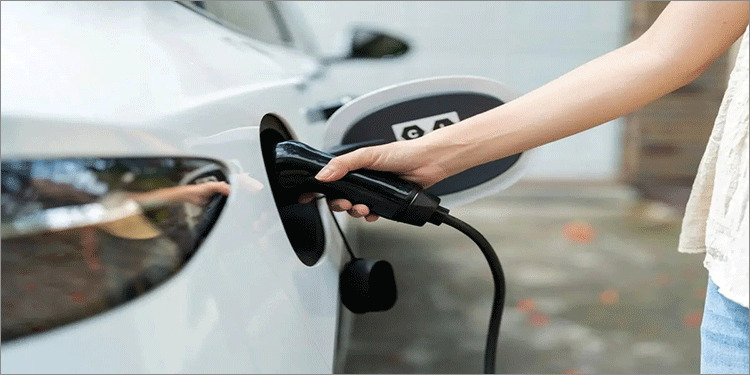
Another challenge is the limited availability of charging infrastructure, which is currently concentrated in major urban centers. Industry stakeholders believe that deploying a large government EV fleet could encourage further private investment in charging stations, particularly along key commuter routes and transport corridors.
Despite these challenges, electric vehicles already offer lower operating costs per kilometre than conventional petrol-powered vehicles, making them an increasingly attractive option for drivers who have access to reliable charging facilities.