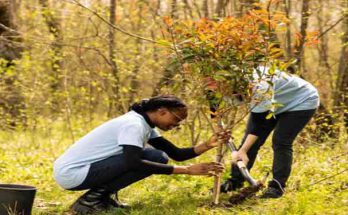
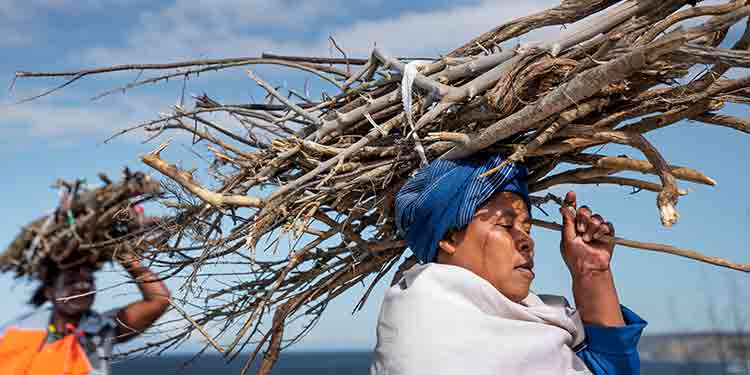

Tanzania is stepping up to expand access to clean energy, with the government targeting at least 80 percent of the population to use cleaner household energy solutions by 2034. The initiative aims to reduce reliance on traditional fuels such as firewood and charcoal, which contribute to pressure on forests and woodland resources.
The TCCP, funded by the Swedish International Development Cooperation Agency (Sida) and implemented by AECF Tanzania, is supporting clean energy businesses and currently works with 13 companies involved in different technologies, including liquefied petroleum gas (LPG). The transition also highlights the potential of wood waste and residues to provide alternative sources of energy, reducing dependence on freshly harvested firewood while making better use of resources from the wood sector.
Hanny G Investment Ltd Managing Director, Hanny Mbaria, said her company produces an alternative biomass fuel known as “kuni poa” alongside improved energy efficient stoves. The fuel is made from agricultural and wood waste, including sugarcane residues and sawdust, and processed into briquettes. The factory currently produces between 120 and 150 tonnes of clean fuel per day and employs over 145 workers, with youth and women forming the majority of its workforce.
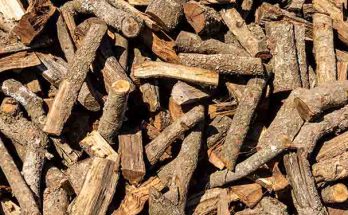
The growing use of sawdust, wood residues and other biomass waste demonstrates how Tanzania’s wood resources can support both environmental protection and economic development. By converting waste from wood processing into useful fuel, the country can reduce pressure on forests, limit waste and create new employment opportunities.