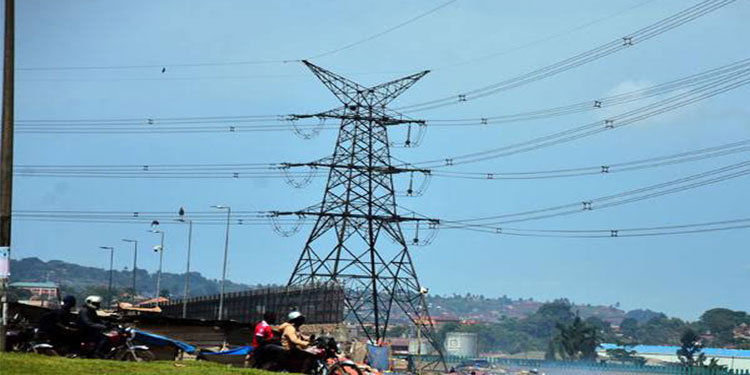
 A 299-kilometre electrical transmission infrastructure project extending from northern Uganda to Juba is anticipated to establish a novel market opportunity for Uganda’s electrical generation capacity, whilst simultaneously providing South Sudan with a cost-effective alternative to diesel-dependent power generation.
The South Sudan-Uganda Power Interconnection Project (SUPIP), a 254-megawatt initiative that Uganda formally inaugurated last Thursday, will create a 400 kilovolt double-circuit transmission line linking Olwiyo to Juba/Gumbo, thereby facilitating a new pathway for transnational electricity commerce. Nevertheless, the project’s importance extends considerably beyond the provision of electrical power exports to South Sudan.
By integrating South Sudan into the Eastern Africa Power Pool (EAPP), the transmission infrastructure will be incorporated into a comprehensive regional network, enabling Uganda to commercialize surplus electricity generation and potentially procure power from nations including Ethiopia during periods of demand.
This bidirectional capability aligns the initiative with the overarching objectives of the EAPP, which endeavors to establish interconnections among national power grids and facilitate international electricity commerce contingent upon market conditions of supply and demand.
South Sudan constitutes one of the nations that has not yet achieved comprehensive participation in this regional electricity marketplace. SUPIP has been formulated to address this deficiency. The undertaking is being executed collaboratively by Uganda and South Sudan, with administrative coordination furnished by the Nile Equatorial Lakes Subsidiary Action Program Coordination Unit (NELSAP-CU).
Each nation bears responsibility for infrastructure development within its respective borders. Uganda’s financial allocation is projected at $121 million, whereas South Sudan’s contribution is estimated at approximately $133 million, resulting in an aggregate project expenditure of $254 million.