
For many years, skeptics regarded the ambition for green economies in the region as mere lofty policy discussions. However, recent developments reflect tangible, measurable advancements.
Prime Minister Abiy Ahmed’s vision of “illuminating every corner of our nation” is being supported by substantial infrastructure investments across various generation vectors.
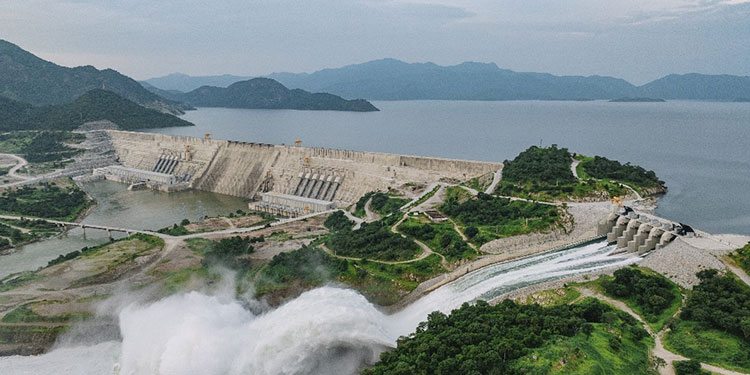
The completion and operation of the Grand Ethiopian Renaissance Dam (GERD), which is currently producing 5,150 MW, has more than doubled Ethiopia’s overall electricity capacity on its own. In conjunction with the swift advancement of the Koysha Hydropower Project, these facilities establish a basis for energy security in the region.
However, depending exclusively on river basins poses a risk in an age characterized by unpredictable climate patterns. To address this issue, Ethiopia has broadened its energy portfolio:
• Wind Power: Active projects such as Ashegoda, Adama 1 & 2, Ayisha 2, and Assela currently generate 504 MW, with the growing Ayisha project contributing additional capacity.
• Geothermal Energy: Significant projects underway at Aluto-Langano and Tulu Moye are expected to provide dependable baseload power.
• Off-Grid Solar: The expansion of solar mini-grids and residential solar systems is enhancing access for remote communities, supplying energy to local health facilities, educational institutions, and agricultural processing centers.
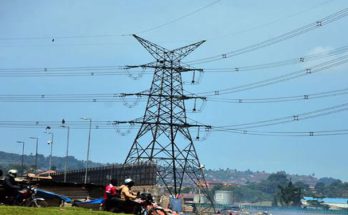
Ethiopia has transitioned from being an isolated producer to becoming a key regional exporter. Cross-border transmission lines now deliver clean and affordable electricity to Kenya, Sudan, and Djibouti. For Kenya and its neighboring countries, the importation of Ethiopian hydropower contributes to the stabilization of national grids, reduces dependence on expensive thermal power plants, and advances climate objectives.
This interconnectedness alters the geopolitical dynamics of the region. When countries possess shared critical grid infrastructure, energy trade evolves from a mere commercial transaction into a system of mutual interest. Interdependence fosters a tangible motivation for regional stability and collaborative diplomacy throughout East Africa.
This energy initiative aligns with wider economic integration. Ethiopia’s proactive involvement in the African Continental Free Trade Area (AfCFTA), its continuous progress towards World Trade Organization (WTO) membership, and its inclusion in the BRICS group illustrate a strategy rooted in trade and regional collaborations.
By updating regulatory frameworks and allowing private developers to participate in power generation, the nation is establishing clearer pathways for both international and domestic Foreign Direct Investment (FDI).
Reliable electricity fuels manufacturing, bolsters small and medium-sized enterprises (SMEs), and generates employment—providing a foundation for local businesses to expand internationally. The long-term vision encompasses more than just the Horn of Africa. Strategic initiatives aim for a connected power grid that spans North Africa, ultimately linking to European markets. In the coming decade, further development in geothermal, wind, and solar energy will be essential to maintain this progress.
Access to energy continues to be one of the most significant catalysts for human development. By transforming its natural resources into usable and exportable energy, Ethiopia presents a compelling case study for emerging markets: demonstrating how to bypass conventional, carbon-intensive development models in favor of a clean, interconnected, and self-sufficient energy future.