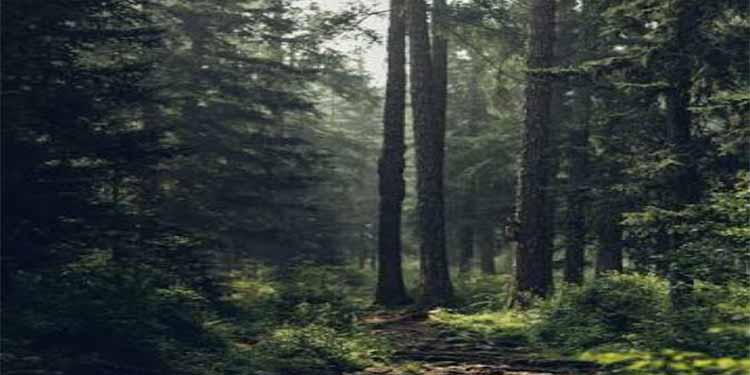
Forest conservation in Kenya’s Kaptagat Forest ecosystem is showing how protecting trees and improving community livelihoods can go hand in hand, by supporting the restoration of the Kaptagat landscape while creating opportunities for communities in Uasin Gishu and Elgeyo Marakwet counties.
A major part of the initiative is the fencing of the Kaptagat Forest ecosystem, which is intended to strengthen forest protection, support regeneration and safeguard an important water catchment. The government is developing a 273-kilometre electric fence around the ecosystem, which extends across areas including Keiyo South, Keiyo North, Ainabkoi and Moiben.
The conservation programme is also delivering direct livelihood benefits. Communities are being supported through livestock improvement, water provision, green energy, high-value crops and tree seedlings. Vincent Chelimo, chairman of the Kaptagat Community Forest Association, has highlighted the importance of combining forest restoration with community development.
Tree planting is producing encouraging results, with communities planting more than 300,000 indigenous trees annually and reporting a success rate of about 95 per cent. The restoration of vegetation has also been linked with the return of water flow in previously dry rivers, demonstrating the wider value of healthy forests for Kenya’s water resources and biodiversity.
The programme is also helping communities diversify their incomes through activities such as avocado farming, nurseries and livestock development. According to reporting on the initiative, tree-seedling procurement and nursery establishment have injected millions of shillings into the Kaptagat landscape economy, benefiting women, youth and persons with disabilities.
Kaptagat therefore offers a positive example of how forest protection, wood resources, environmental restoration and community prosperity can support one another. By investing in trees while creating alternative income opportunities, Kenya is strengthening the economic value of its forest landscapes and helping ensure that forests continue providing timber, water, biodiversity and livelihoods for future generations.